Sometimes it takes great courage to get out of bed in the morning. The weight of circumstance has shifted the balance of life. But this is not a time to cower and hide. This is the time to embrace life.
Spring is gradually replacing winter. That is its nature. And it is our nature to appreciate the warmth and to be amazed at the green sprouting up. My sheep devoured dry hay all winter, now go in search of the moist green shoots and I am happy for them. They are wise. They understand time.
Memories come. Some harsh, some sweet. But can I let go of the bitter, can I accept its teaching and move on? Can I trust that the lesson taught was valuable and that it deepened my capacity to live more fully, or simply regret?
Because true living is not automatic. We are not robots. We have choice. There is nuance. We have the opportunity to discover something new and miraculous with every moment.
We can bear witness to the power of life, but even more satisfying, we can co-create with it. We can enjoy the dance and allow it to be unique to us.
I know the weight of circumstance has brought despair. I know it has brought doubt. We are being led by people who have forgotten the preciousness of life. And there are far too many in influential places who echo the insanity of the ignorant. The voice of humanity is being suffocated, but only if we let it. This is where courage comes in. This is where remembrance comes in. Hold those moments close, when you witnessed life’s kindness and beauty. They live within you still.
We have choice. That is where freedom lives. Embrace Life and walk away from fear.
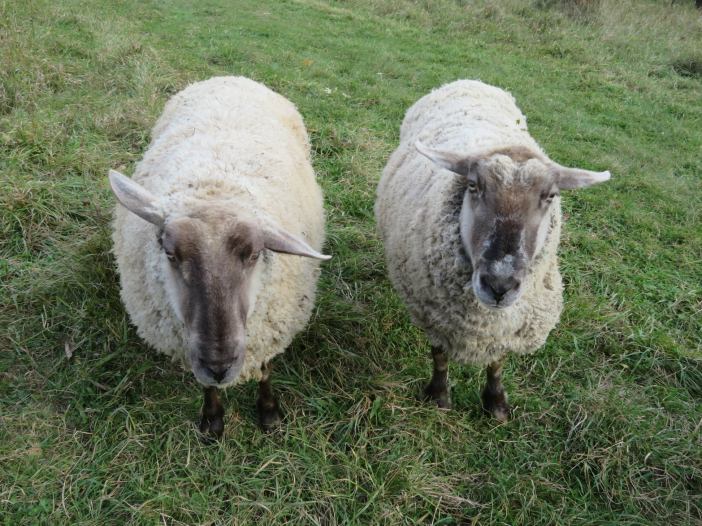
Meet Thelma and Louise. They were the first sheep at Echo Valley Farm. They lived for eighteen years. When I bought them and they went into the back of my SUV, I said “You must be Thelma and Louise – and this is your last ride.” We all lived up to that. Sweet memories.


 let kindness win