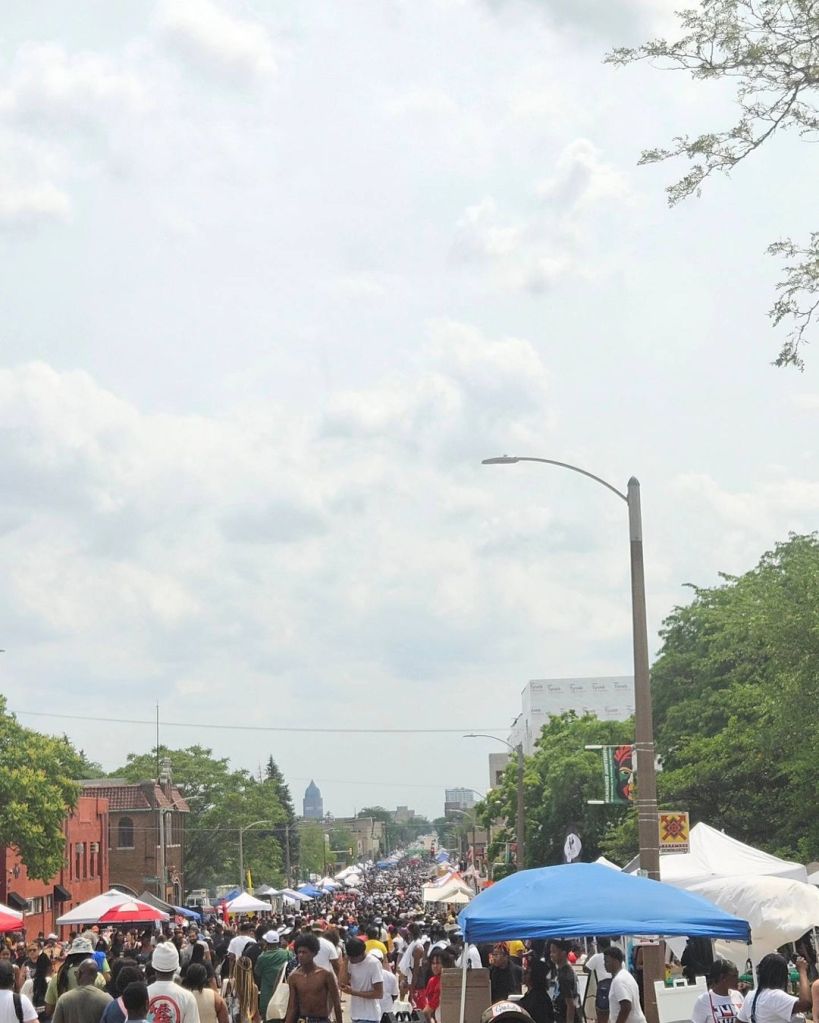
Sometime during the course of the Wisconsin winter, I decided it was time to visit an old friend and to explore a bit of New Orleans. Amtrack is becoming my favorite mode of travel and it is a straight shot to the Big Easy from the Driftless. Nothing disappointed in the wonderings. Smiling faces, warm greetings, amazing food and vibrant colors told the stories of a city still finding its way after Katrina. The community spirit was deeply touching and the diversities of interwoven cultures and lifestyles were absolutely refreshing.
But it was on this day that the reckonings of the past brought the inhumanity of the present in sharp focus. We made the hour drive to Whitney Plantation. This is not your storybook wedding venue kind of place. This is, as our guide told us, a place to “become comfortable with the uncomfortable”. This is not a glorified walk through Antebellum South, where opulent displays of wealth hid the violent and cruel underbelly of slavery. This was a dignified accounting of the life of the enslaved, much of it told in their own words. And as I found myself drawn into the lives portrayed there, the parallels of modern kidnapping, detention centers and prisons became more relevant. The storylines of racism, sexual abuses, and of separated families, while enslavers continue to amass wealth, are far too familiar.
Yet what was most striking were the people who are keeping the stories alive. The caretakers of this place and of the memories. The ones who honor the names, the tears and the hardships and in doing so they offer us a chance to bear witness.
There is responsibility in witnessing inhumanity, should you accept it. It is to become human and then to find a way to be accountable.
That is our collective path to freedom.
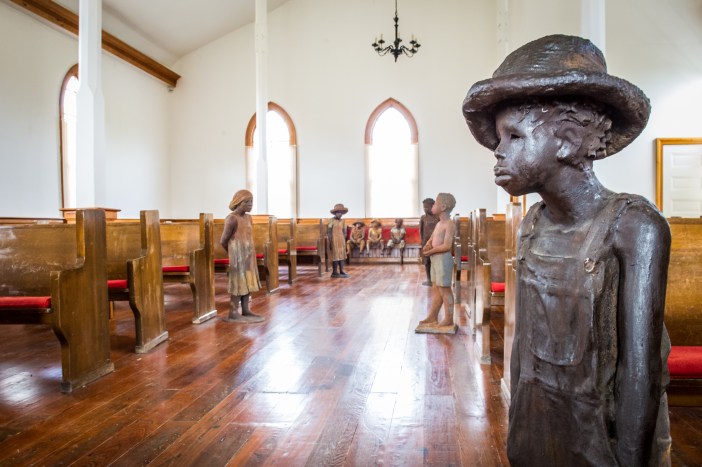
Photo by Elsa Hahne and found at Media – Whitney Plantation