When People Care

Regardless of where you sit on the political spectrum, there are signs that life has been drastically altered. The federal financial aid cuts hitting our local counties are shattering lives. Often referred to as “safety nets”, we are beginning to witness the severity of these cuts on our differently abled population, our children and our elderly. Local food pantries have been forced to cut fresh produce and milk and the numbers of people in need keep growing. 

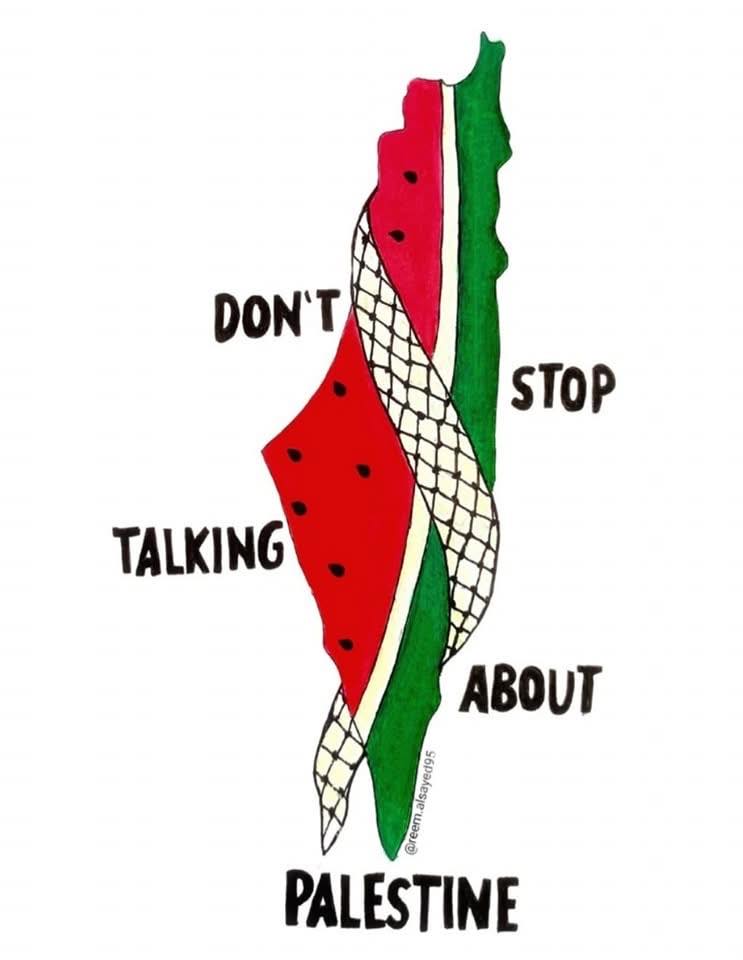
To some extent, this had been happening, but the end of aid is now rippling through and the harm is startling. What comes from despair? What comes from hopelessness? As we watch the forced starvation of Palestinian people in a man-made crisis, and people here being rounded up in inhumane ways, it’s apparent humanity must reclaim empathy.

Pointing fingers of blame is senseless when you witness the destruction of lives, near and far. Instead, we need to assess what we have, collectively, that cannot be lost. We need to think anew, creating systems and pathways that allow each individual to thrive. We’re being challenged to become human once more.

There was a time when land was not owned, when people could “make a way out of no way”. But human hands created economic systems that stripped dignity away from simple living, and now those same systems are choking many lives. 

The choice before us is to recognize what is worthy of saving and what can be discarded. The effort is to rise in our collective humanity and trust again the earth can feed us – with our care. And to realize that we are worthy.

There are many local organizations and people in government ready and willing to make this turn. It’s up to us to help.

Here are some things that informed me this week. I hope you find inspiration here, to care and to act.

You can find a recording of a recent gathering of caring people at VernonReporter.com The event was billed as a non-partisan, educational, community exchange of information. It is worthy of your time to listen.

You can also listen to my podcast Changing the Narrative with author Elspeth Hays on her new book Feed Us With Trees – an important read on how we can reclaim our relationship with the natural world – and why we – or at least some of us – lost it.

And What’s in Our Future? on Life’s Essentials with Prem Rawat can be heard on Spotify as he reminds us of the power of being human.

And the photo is of Forget Me Nots…from my mother.

Be well, Everyone.
A Powerful Human Trait

They say most domesticated sheep live between 10 and 12 years. Apparently, my sheep were never given the memo. I’ve had quite a few live to be eighteen. A lot happens in eighteen years. And although you may not speak the same language you share a common bond and understanding. So it happened that one of my old girls was down and barely breathing. It seemed the weight of her wool might have been a contributing factor, so we began shearing her. At first it wasn’t clear if we were doing much good, but as we finished, she attempted to get up. That was the first real sign of engagement. A little hay, a little corn, a little kelp and some water has to be followed by defecation and pee. That much I have learned about sheep. 

She was rocked and massaged and coaxed and pushed until she stood. Shakily at first, but the light in her eyes told us she was in there and up for the fight. Walking took a bit more time, but gradually she made her way out of the barn. She wanted to be with the other sheep. That longing for companionship is something we all share. 

It’s a delicate balance to know how much to do and when to hold back. You must pay close attention and not force your will. You must find the patience and the perseverance to ignore the voice that tells you “It’s useless” or “I can’t do another thing.”

Because in that ‘one other thing’ that you do, you may finally see the turning point. 

Compassion is a powerful human trait with tremendous rewards. It’s not born of pity; it is a dignified response to the acknowledgement of life. Cultivate it.

Suffering Beyond Description

We can end war if we choose. Choose peace.

Finding One Another

As luck would have it, our well went out this week. Not a good thing anytime. This was a particularly bad time. We called a reliable friend who recommended a reliable friend. The recommended reliable friend came and not only set the well right, he explained that the well had been dug too deep. We had paid for that “too deep” nearly ten years ago. And of course, there is no warranty on a well from those who put it in.

This gentle man explained a lot of things about the water table, the well, the pump, and the electricity. He was happy to do it. I was happy to learn. He shared valuable information that will help direct our course here. When we parted, we parted as friends and the appreciation for one another was genuine.

It is getting clear to me that there are two types of people on the earth right now. 

There are human beings who have dignity and respect for other human beings. And there are others who are not fully human. Not a judgment, just an observation. And that’s why we are in the pickle we are in. Another observation. The government of Israel is starving Palestinians.

It’s now a full blown, openly discussed genocide. 

There are two types of people: human beings who care and are trying to help and the others who are not fully human. Right now, non-humans are winning.

We’ve handed the reins to the not fully human. And unless and until we take back those reins, we’re in for quite a ride.

For those who believe we are here to suffer, please rethink this. And if you choose suffering, perhaps you could leave the rest of us to the peace we know is possible.

*******************

Palestinian poet Mosab Abu Toha has won the Pulitzer Prize. “I can’t celebrate while Gaza is starving.”

You can listen to my conversation with Mosab Abu Toha on Changing the Narrative.